
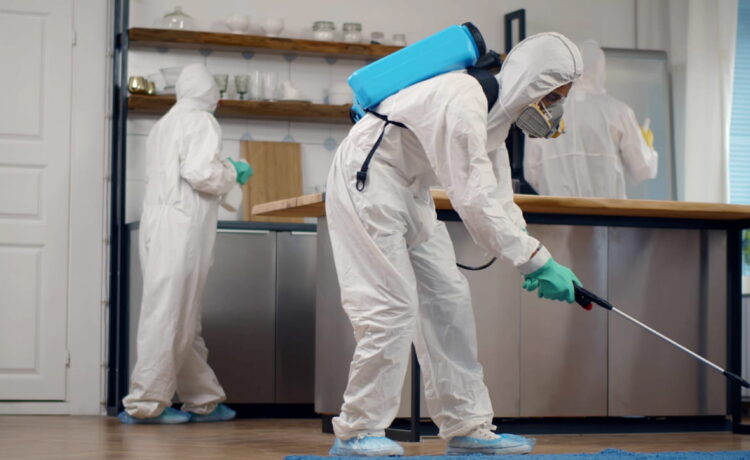
Every gardener’s dream is to maintain a healthy, vibrant garden. Plants, however, face numerous threats, not least from various pests that can wreak havoc on your foliage, fruits, and flowers. Effective Tweed Heads pest control is essential for preserving the health of your garden. It ensures your plants can grow without stress, producing bountiful and beautiful results. Here’s a comprehensive approach to managing pests in a manner that promotes the health and vitality of your plants.
Understand Your Enemy
The first step in effective pest control in Coolangatta is identifying the pests that are attacking your plants. Different pests pose different threats and, as such, require tailored solutions. Common garden invaders include aphids, caterpillars, slugs, and spiders. Once identified, you can choose the most effective methods to combat them.
Prevention is Better Than Cure
Creating an environment that is less attractive to pests is a proactive way to protect your garden. Rotate your crops to prevent pests that thrive on specific plants. Introduce companion planting; certain plants can naturally repel pests or attract those insects that eat pests. Maintaining healthy soil, ensuring proper spacing between plants for airflow, and avoiding wetting leaves during watering can also reduce pest infestations.
Natural and Organic Solutions
Chemicals should be a last resort in the fight against pests. Instead, consider natural and organic options that are less harmful to the environment, and beneficial to insects, and your plants. Neem oil, a natural pesticide, can deter a host of pests without harming beneficial insects.
Biological Control
Leveraging the natural ecosystem can provide an effective defence against pests. Introducing beneficial insects, such as ladybugs to combat aphids, or predatory mites for spider mite control, can help keep pest populations in check naturally. This method promotes a balanced ecosystem, where beneficial species thrive, keeping harmful pests at bay.
Physical and Mechanical Controls
Sometimes, direct intervention is necessary to protect your plants. Physical barriers, such as nets or row covers, can prevent pests from reaching your plants. Hand-picking larger pests like caterpillars and slugs can be effective for small infestations. Additionally, traps and sticky bands around tree trunks can capture and reduce pest populations.
Conclusion
Maintaining healthy plants through effective Tweed Heads pest control is a multifaceted endeavour that requires knowledge, patience, and a commitment to environmentally friendly practices. By understanding the pests you’re dealing with and employing a combination of preventative measures, natural solutions, and, when necessary, targeted interventions, you can keep your garden thriving and your plants healthy, the way nature intended.
